
Conference
IWM13 in Busan
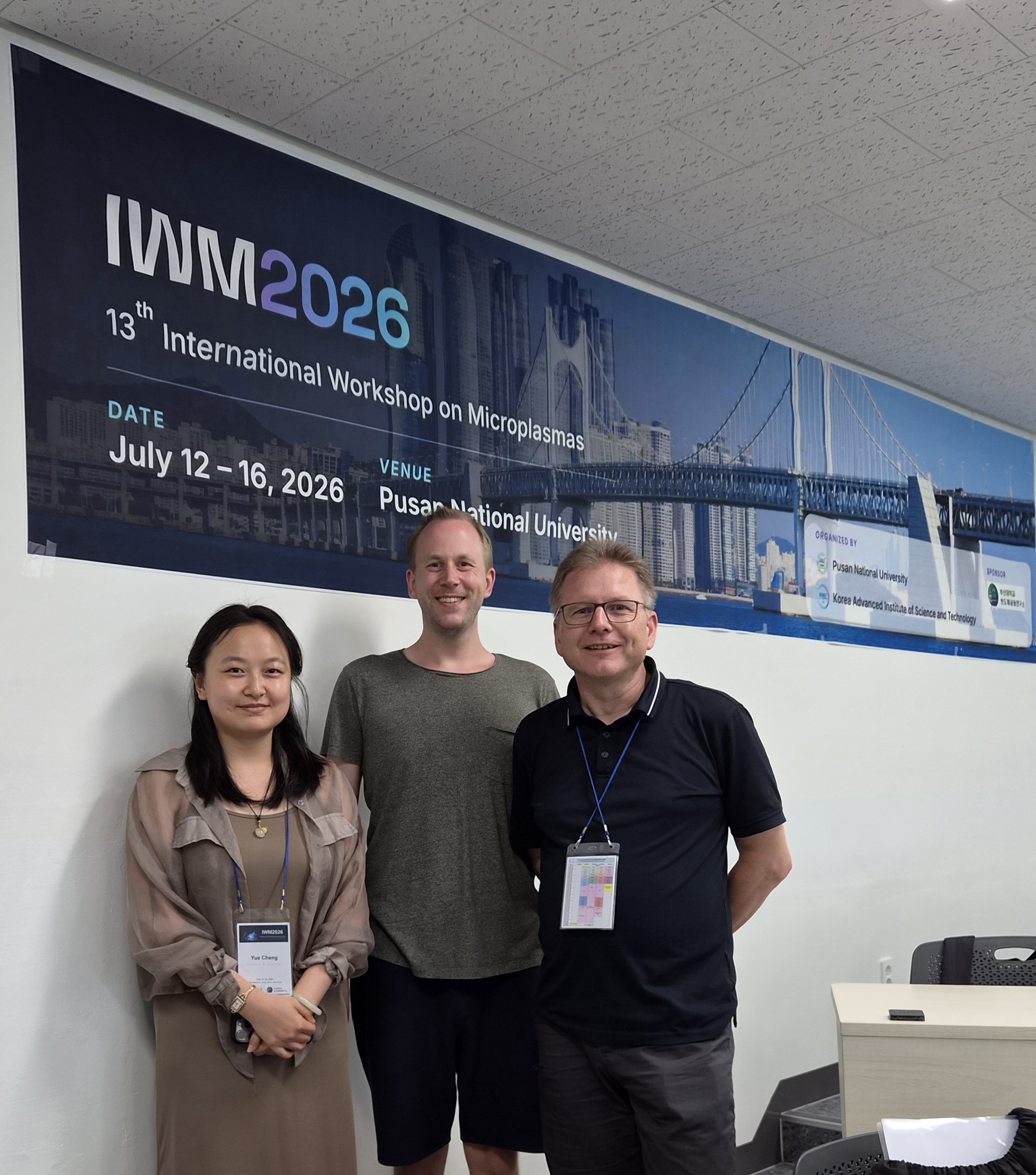
Three researchers from CRC 1316 participated in the "13th International Workshop on Microstructures (IWM 13)“, held from July 12-16 in Busan, South Korea, where they presented their latest research and exchanged ideas with leading scientists from around the world.
All three researchers contributed to the scientific program with oral presentations. Their talks covered a broad range of topics, including plasma electrolytic oxidation (Lars Schücke), catalytic conversion of n-butane (Yue Cheng), and micro-plasma arrays for gas conversion (Marc Böke).
A particular highlight of the conference was the invited talk given by Marc Böke. Participation in IWM 13 provided an excellent opportunity to strengthen international collaborations, discuss recent advances in microplasma and microstructure research, and showcase the diverse research activities of CRC 1316.
Conference
DPG 2026 in Erlangen
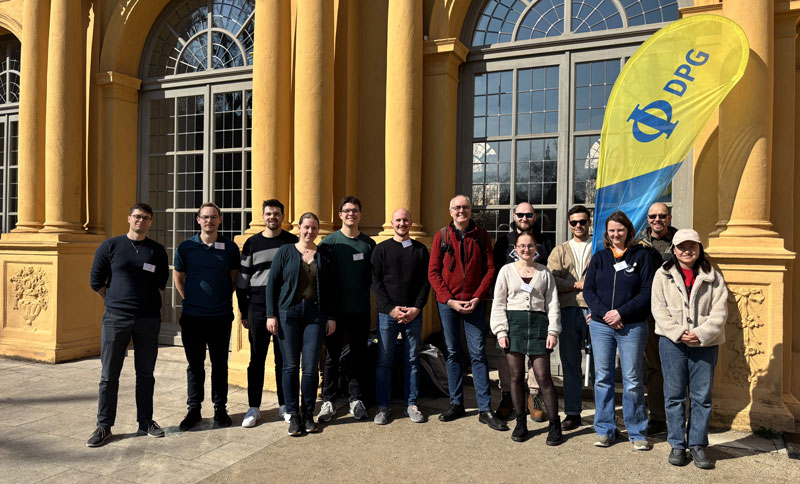
The group EP2 and PIP attended the German Physical Society Meeting in Erlangen. 8 oral contributions and 2 posters were presented in the scientific programme.
Research
In the Eye of the Plasma Storm
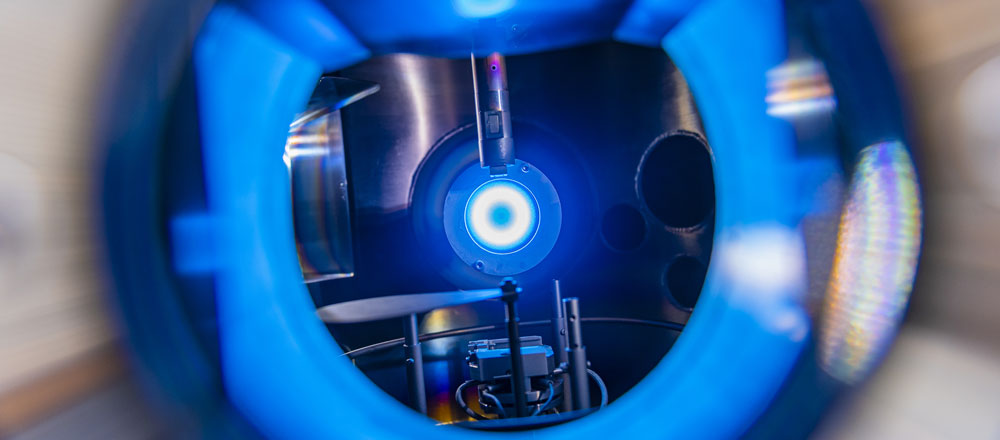
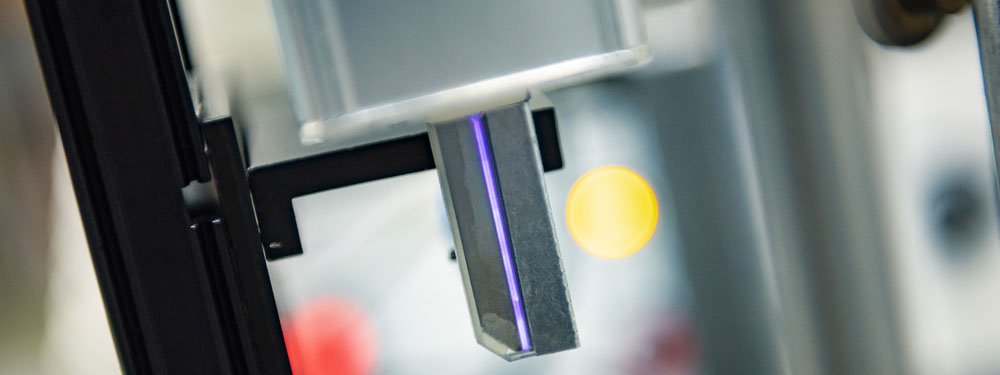
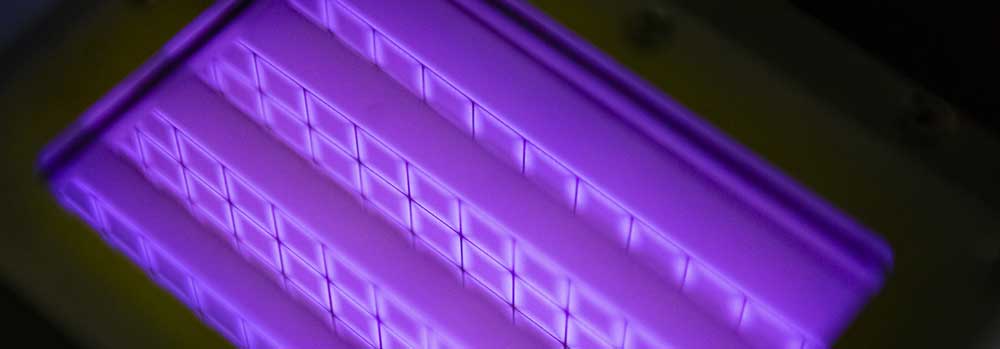
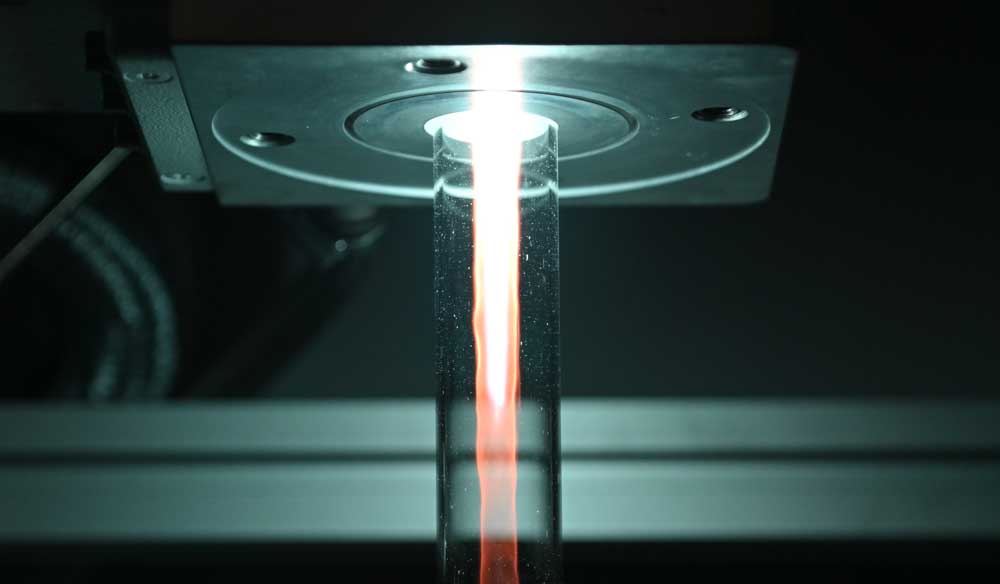
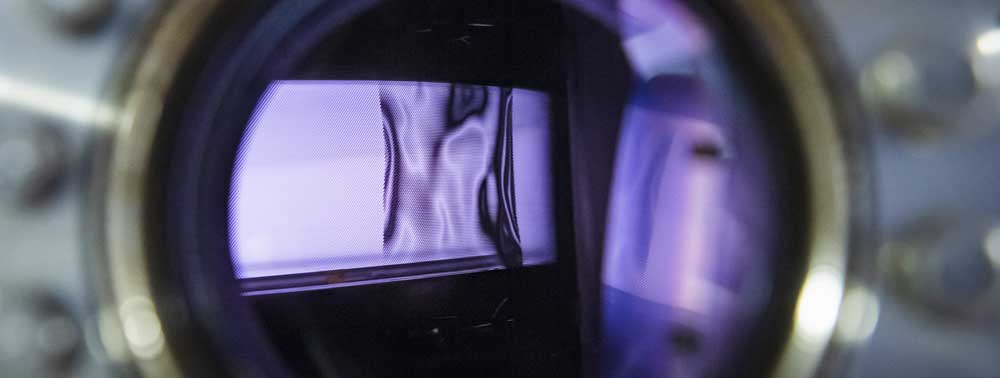
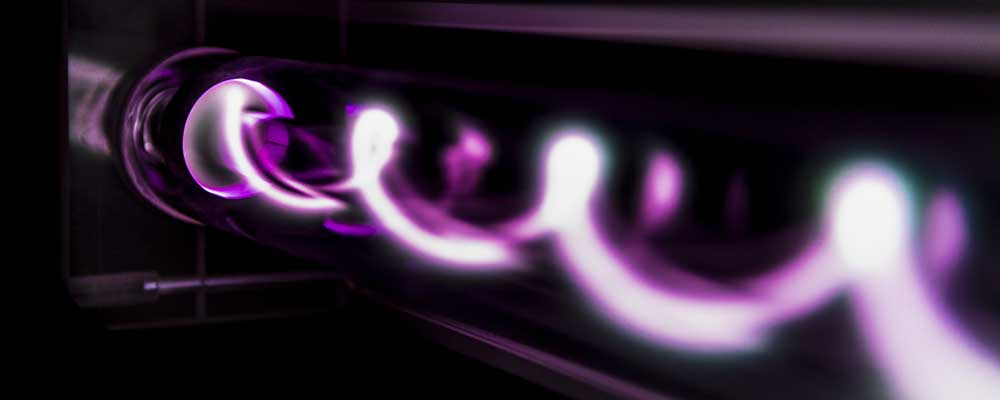
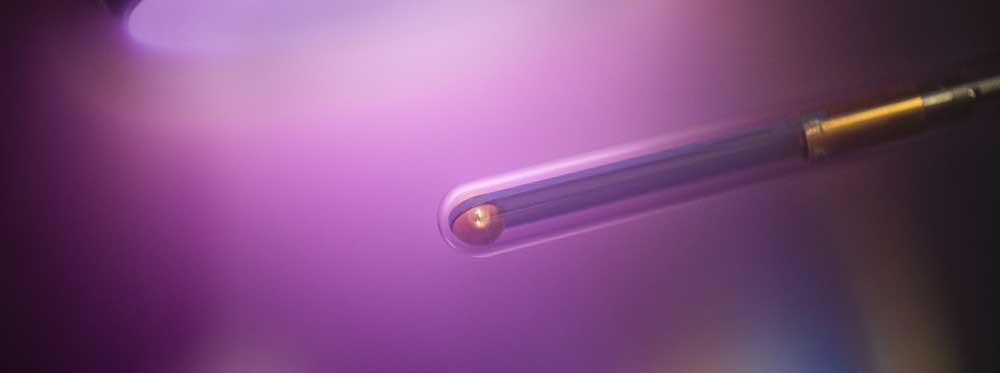
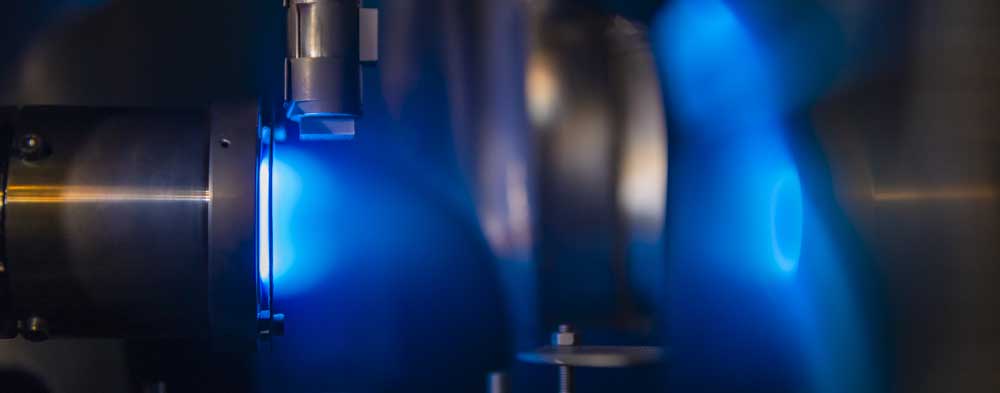
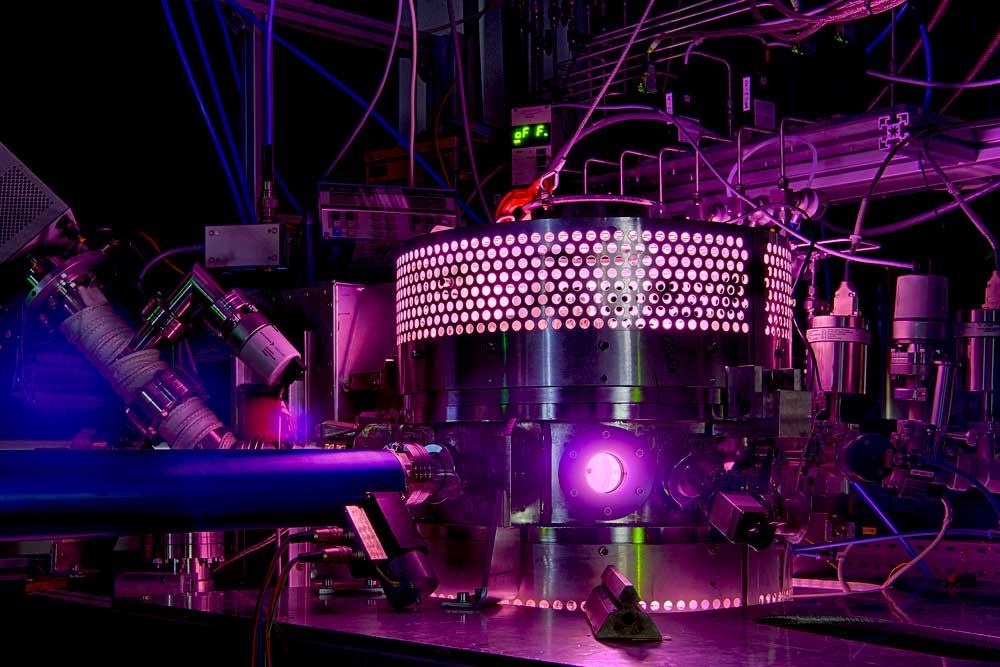
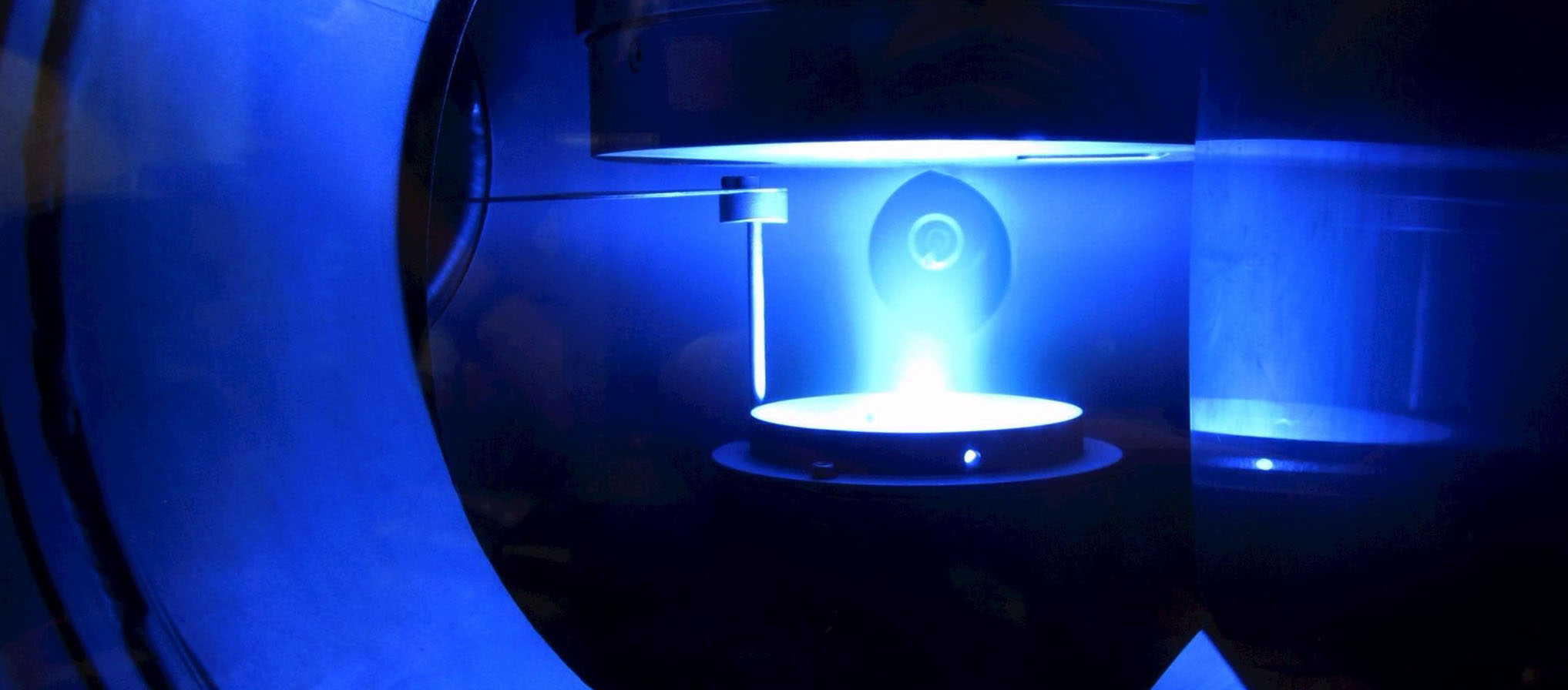
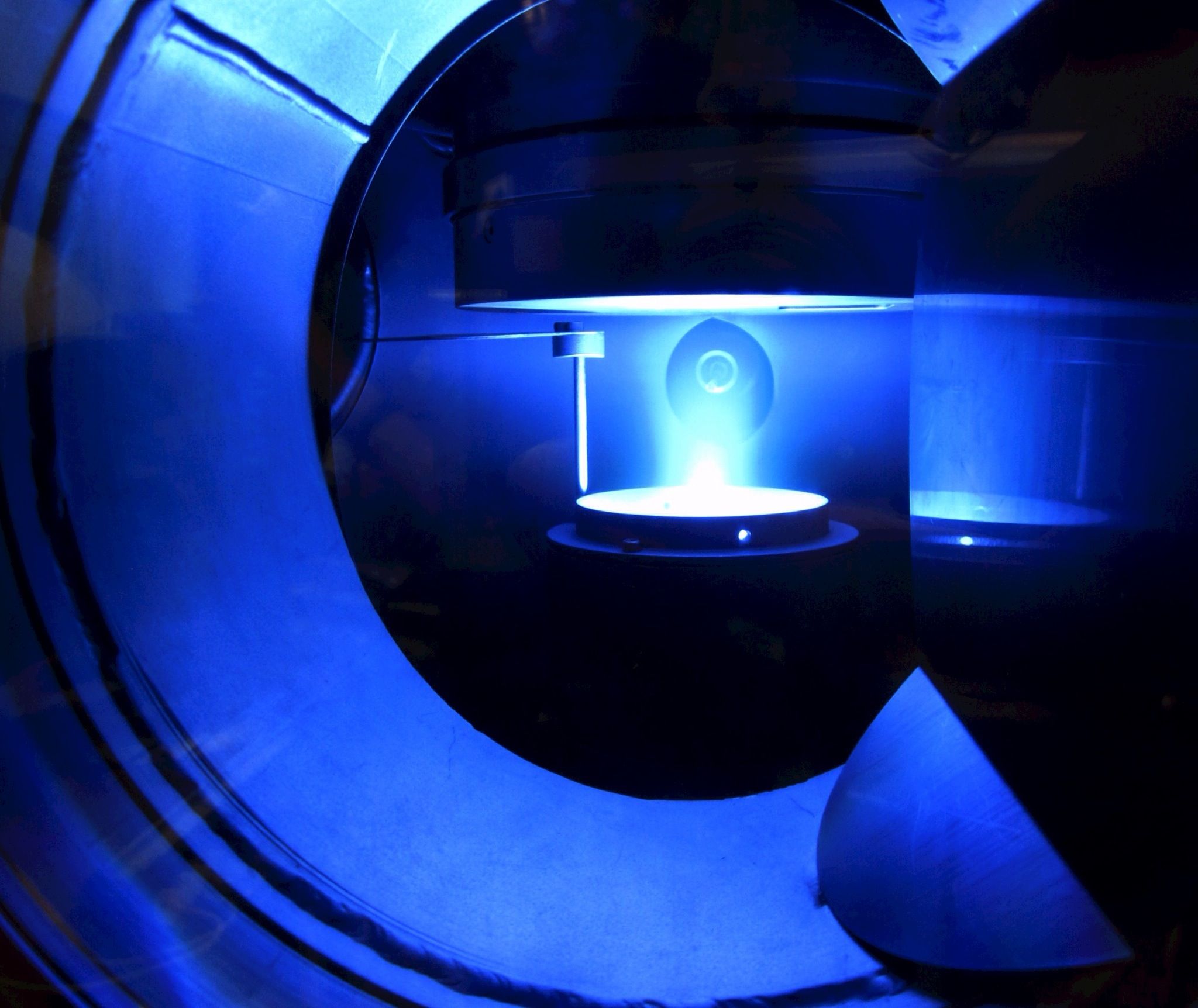
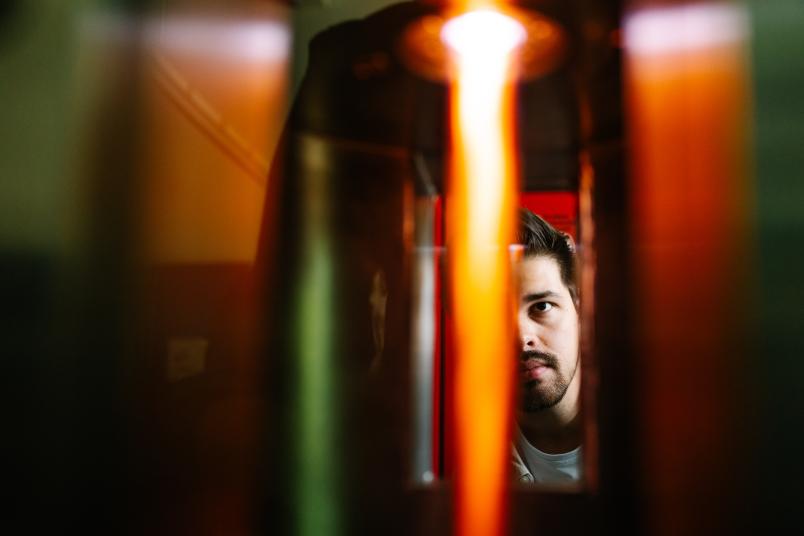 Researchers hope to use plasmas to make the production of hydrogen and steel more environmentally friendly. The key to this is a tornado that they generate in a lab. There is a storm brewing in the physics lab in Bochum, and talk of tornados and temperatures of thousands of degrees Celsius. Yet this has nothing to do with the climate: The labs house all manner of metallic devices with small windows that show colorful lights. These glowing objects within the reactors – which conveniently fit on a table – are plasmas. And they can do just about anything: Plasma can be used to sterilize surgical instruments, brighten displays, or facilitate energy-intensive industrial processes.
Visit
Colloquium at the German center for air and space research DLR in cologne
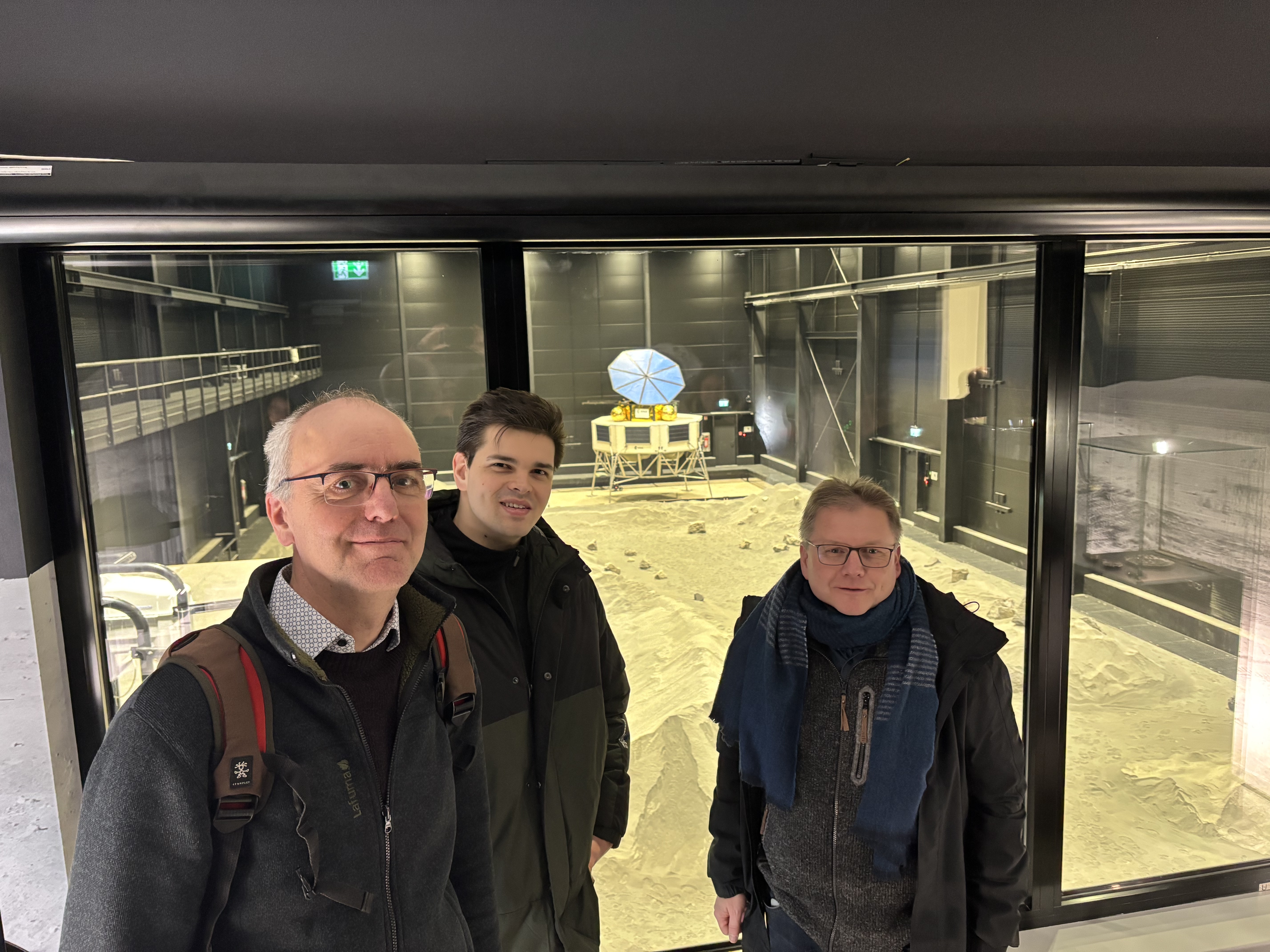 Jonas Thiel presented the research on iron ore reduction, and Achim von Keudell gave an overview of the research of the SFB1316 at the Institute for Material Physics in Space at the DLR Cologne. We also had the chance to visit the newest facility on site, the lunar surface training site.